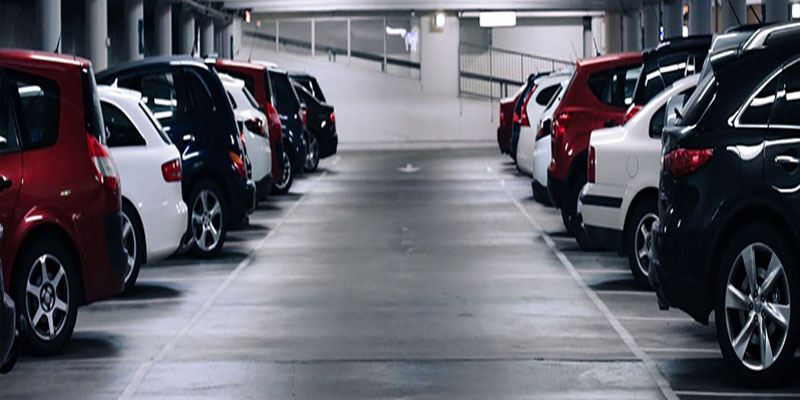
Temporary car parking refers to parking areas or facilities that are set up for a short period of time. These parking spaces can be created for events, construction projects, or overflow situations when regular parking is not enough.
Temporary parking can include:
-
Event car parks for concerts, sports matches, or fairs.
-
Overflow parking during busy shopping periods.
-
Construction site parking for workers or contractors.
-
Private land parking used for short-term public access.
The main idea behind temporary car parking is flexibility it allows parking spaces to be created where and when they are needed, often using land that is not normally used for parking.
Why is Temporary Car Parking Important in the UK?
Parking demand in the UK has grown significantly over the years. Town centres, hospitals, train stations, and airports are often overcrowded, and new construction projects regularly remove existing parking areas.
Temporary car parking helps solve these problems by:
Reducing congestion in busy areas.
Providing solutions during building or renovation work.
Supporting local businesses and events.
Making use of underused or vacant land.
For example, during a football match in Birmingham or a festival in Walsall, nearby fields or unused spaces can be turned into temporary parking areas for visitors.
How Does Temporary Car Parking Work?
Setting up a temporary car park involves several steps to ensure safety, convenience, and compliance with local regulations:
Site Selection
A suitable location is chosen, usually close to the main area of activity and with easy road access.Ground Preparation
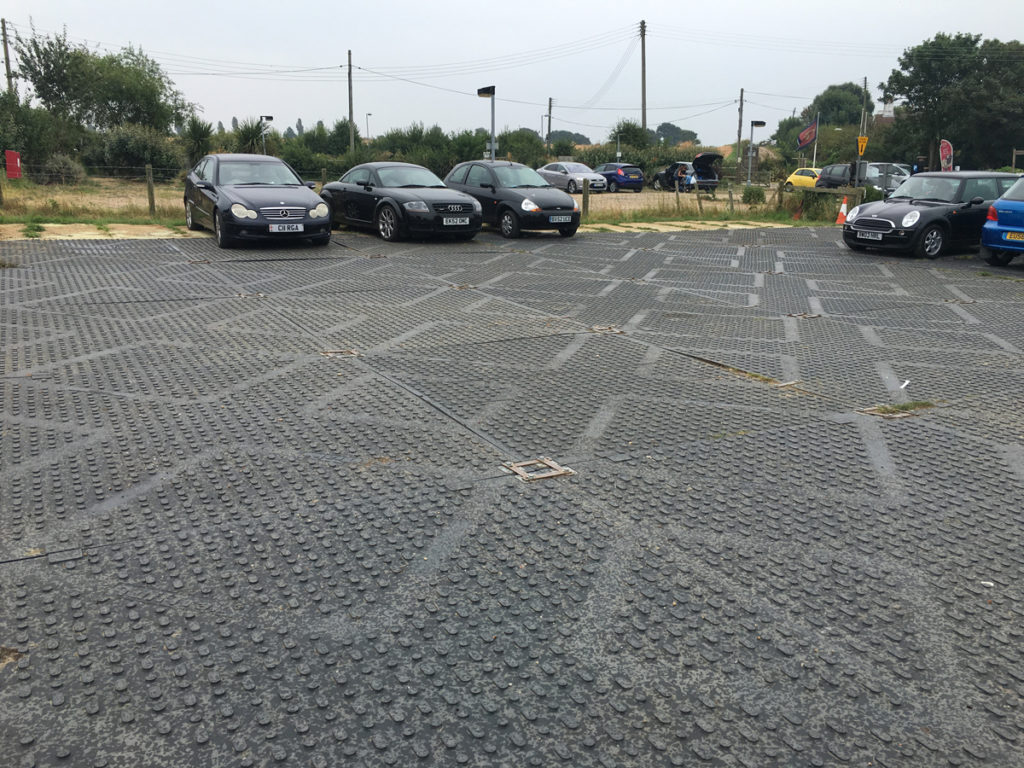
The surface may be levelled or reinforced with temporary matting, gravel, or plastic tiles to support vehicles safely.Marking and Signage
Temporary lines, cones, or barriers are added to guide drivers and control traffic flow. Clear signage helps with directions and entry or exit points.Lighting and Security
Lighting towers or portable lamps are installed for safety, and in some cases, CCTV or security staff are used to monitor the area.Management and Payment
Temporary car parks can use attendants or automated payment systems, such as QR codes or pay-by-phone apps.Removal and Restoration
Once the need is over, all equipment is removed and the site is restored to its original condition.
Types of Temporary Car Parking
Temporary parking can be created in many ways depending on the situation. The most common types in the UK include:
Grass or Field Parking – Common for festivals, fairs, and outdoor events.
Hard Surface Parking – Using gravel, tarmac, or concrete for more durable and weatherproof use.
Multi-Level Temporary Structures – Modular steel structures used in cities or for large construction sites.
Pop-Up Urban Parking – Short-term parking lots in vacant plots in city areas.
Each type is designed to suit different durations, vehicle volumes, and site conditions.
Where is Temporary Car Parking Commonly Used?
Temporary car parks are widely used across the UK in situations such as:
Events and Festivals – Glastonbury, local fairs, and sports events often need large temporary car parks.
Construction Projects – Workers’ vehicles need safe, managed spaces.
Retail Seasons – Shopping centres add overflow parking during holidays or sales.
Hospitals and Universities – During renovation or expansion, temporary spaces help manage demand.
Film and TV Production Sites – Temporary car parks are set up for crew and equipment.
Benefits of Temporary Car Parking
Temporary car parking provides many advantages for communities, event organisers, and property owners.
1. Flexibility
Spaces can be created quickly and removed once they are no longer needed.
2. Cost-Effective
It is usually much cheaper than building permanent parking structures.
3. Efficient Land Use
Vacant land or open spaces can be used temporarily to generate income or support community needs.
4. Supports Local Events
Makes it easier for people to attend local events without causing traffic problems.
5. Scalable
Parking areas can be increased or reduced depending on demand.
6. Environmentally Friendly Options
Modern temporary surfaces reduce damage to the land and can be reused in different locations.
Legal and Safety Considerations in the UK
In the UK, setting up temporary car parking may require planning permission from the local council, depending on the duration and size of the operation.
Typical regulations include:
Health and safety requirements for vehicles and pedestrians.
Environmental protection for grass or soil.
Adequate lighting and security measures.
Proper drainage to prevent flooding.
Organisers must ensure that the car park meets British safety standards and that access routes are suitable for vehicles.
Costs of Temporary Car Parking
The cost of setting up a temporary car park in the UK can vary depending on:
Site size and surface condition.
Duration of use.
Materials and equipment required.
Staffing, lighting, and security needs.
For example, a small field parking area for a local event might cost a few hundred pounds to prepare, while a larger modular car park in a city could cost several thousand pounds.
The Future of Temporary Car Parking in the UK
With increasing demand for flexible infrastructure and growing environmental awareness, temporary car parking is likely to become even more common in the UK.
Innovations such as modular car parks, solar-powered lighting, and digital booking systems are making these facilities smarter, greener, and easier to manage.
Local councils and businesses are also exploring ways to turn underused land into temporary parking areas to reduce congestion in urban areas.
Conclusion
So, what is temporary car parking? It is a flexible, short-term parking solution designed to meet temporary demand. From major events and construction projects to city centre overflow parking, it provides a safe and convenient way to manage vehicles without permanent construction.
In the UK, where space is limited and urban areas are always growing, temporary car parking has become an important part of modern infrastructure. It helps reduce traffic problems, supports local businesses, and makes travel more convenient for everyone.
Whether you are an event organiser, a business owner, or a driver looking for a safe place to park, temporary car parking offers a smart and adaptable solution that fits the fast-moving world we live in today.